


Your subject line determines whether your email gets opened or ignored.
47% of email recipients open emails based on the subject line alone. That means your carefully crafted content, compelling offer, and strategic call-to-action only matter if people actually see them.
The question isn’t whether subject lines matter—it’s how to write ones that work.
14 Email Subject Line Best Practices
1. Personalize Beyond First Names
Years ago, “Hello {firstname}” grabbed attention. Now it’s expected—and ignored.
Real personalization means tailoring content to individual subscriber behavior, location, and preferences. Instead of generic greetings, use what you know about your audience.
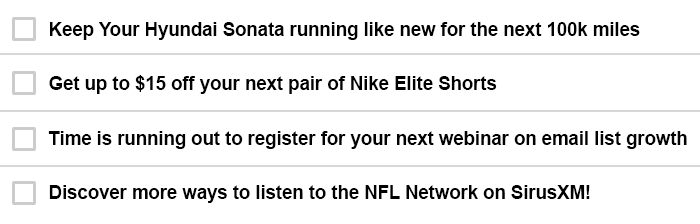
Generic examples:
- “Sale happening now!”
- “New products available”
- “Check out our latest update”
Personalized examples:
- “The hiking boots you viewed are now 30% off”
- “Philadelphia runners: Join our 5K next Saturday”
- “Your favorite author just released a new book”
The difference? You’re speaking directly to what matters to that specific subscriber.
2. Use Segmentation
Segmentation and personalization work together. The more you segment your list, the more personalized your subject lines become.
Ways to segment for better subject lines:
Ask questions on signup forms. If you run a fashion blog, ask subscribers their favorite color during signup. Then send: “15 gorgeous blue dresses under $50” to those who selected blue.
Send location-based emails. Attending a conference? “We’re in Austin next week—see you there?”
Retarget based on behavior. Did someone abandon their cart? “Forget something? Here’s 20% off to complete your order.”
The more specific your segment, the more relevant your subject line—and the higher your open rates.
3. Create Urgency With FOMO
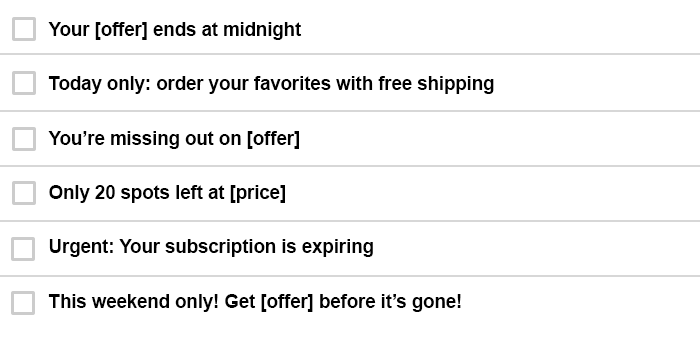
Fear of missing out drives action. Subject lines that create urgency, scarcity, or exclusivity can see 22% higher open rates.
Effective FOMO examples:
- “Sale ends tonight at midnight”
- “Only 3 spots left for tomorrow’s workshop”
- “Last chance: Early bird pricing expires in 2 hours”
- “Exclusive access for the next 24 hours”
The key is authenticity. Don’t create false urgency—your subscribers will catch on and stop trusting your emails.
4. Avoid Excessive Punctuation
Overusing punctuation in your subject line damages credibility and makes your emails look unprofessional—or worse, desperate for attention.
Punctuation patterns that hurt open rates:
- Multiple exclamation points (!!!!!!)
- Repeated ellipses (………)
- Symbol overload ($$$, *****)
- TYPING IN ALL CAPS
- Mixing multiple types (!!!???!!!)
These tactics might seem like they’ll grab attention, but they typically do the opposite. They signal low-quality content and make subscribers less likely to open.
64% of email recipients report email as spam based solely on the subject line. Keep subject lines honest, clear, and professional. Let your message create urgency or excitement, not your punctuation.
5. Be Direct
Skip the wordplay, puns, and clever rhymes. Straightforward subject lines convert extremely well because they clearly communicate value.
Direct subject line examples:
- “Your order has shipped”
- “New inventory management features now available”
- “How to automate your email follow-up sequence”
- “3 ways to increase your open rates”
Readers know exactly what to expect and the benefit they’ll receive from opening. No guesswork required.
The catch? Your email content must consistently deliver on the promise. If your messages fall short, subscribers will stop opening—no matter how clear your subject lines are.onalized content, your audience will open your emails — no matter what the subject line says.
6. Ask Questions to Spark Curiosity
Humans crave answers. When you leave something unresolved, they need closure.
Question-based subject lines:
- “Are you missing these 3 copywriting techniques?”
- “Will this strategy double your email engagement?”
- “What’s stopping your subscribers from converting?”
Promise answers inside:
- “You should send emails ___ times per week [open for the answer]”
- “This is the ONLY reason your subject lines fail”
Tease something valuable:
- “We created free templates for you”
- “The tool that changed how we write emails”
Curiosity-driven subject lines work when the payoff inside your email delivers real value.
7. Use Numbers
Numbers grab attention and add credibility to your subject lines. They also set clear expectations about what’s inside.
Compare these:
- “Keys to writing great subject lines”
- “10 keys to writing great subject lines”
The numbered version implies more substance and actionable takeaways.
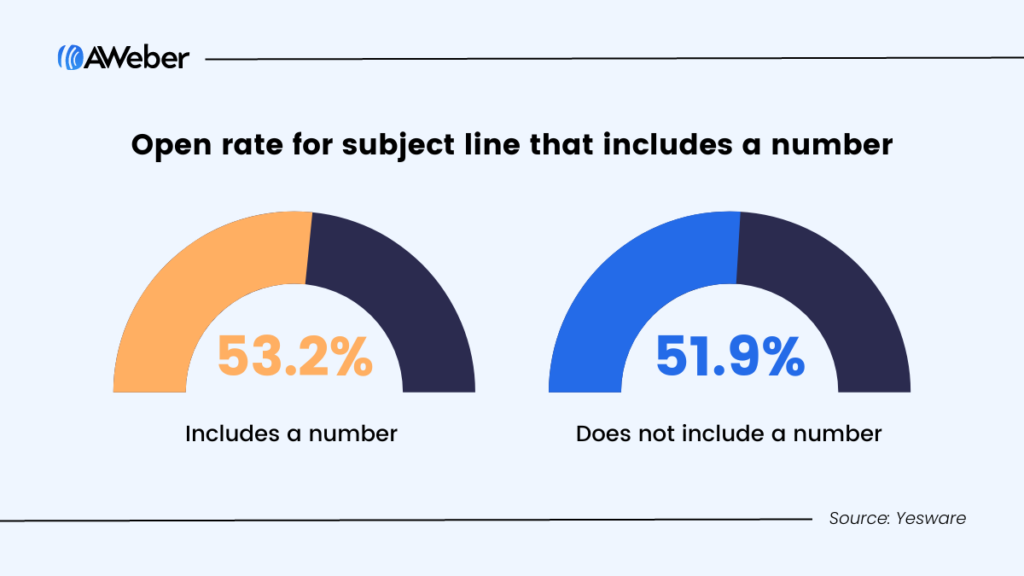
Research analyzing over 100 million emails found that subject lines with numbers received higher open rates. The specificity makes your email feel more valuable and scannable.
8 – Try an AI Subject Line Generator
AI subject line generators use artificial intelligence to create optimized subject lines based on your email content. Rather than staring at a blank field wondering if your idea is good enough, you can generate multiple tested variations instantly.
AWeber’s AI subject line generator analyzes your email content and generates five variations—each following proven best practices for mobile optimization, emoji placement, and formatting. You can customize results by tone (friendly, professional, urgent, inspirational) and style (promotional, educational, newsletter, blog).
Generate options in seconds, then pick the best one or A/B test to see what resonates with your audience.
Related: 9 best email subject line generators
9. Test One-Word Subject Lines
One word can be intriguing. It stands out in crowded inboxes because it’s unexpected.
Examples:
- “Wait…”
- “Congratulations”
- “Tomorrow”
- “Urgent”
The key is context. Your audience needs to know you well enough that a single word creates curiosity rather than confusion.
10. Or Try Super Long Subject Lines
Only 18% of people use more than 60 characters in subject lines. That means longer subject lines stand out simply because they’re different.
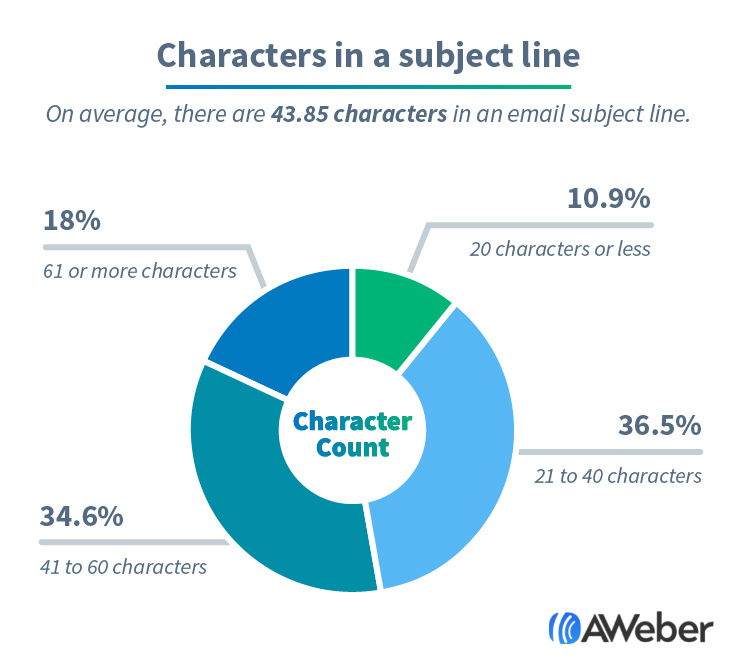
Both extremely short and extremely long subject lines can work—it’s about what catches attention in your subscribers’ inboxes. Test both to see what your audience responds to.
11. Address Audience Pain Points
Put your audience’s pain points, fears, or desired outcomes in your subject line using first-person language and quotation marks.
Examples:
- “I’m tired of manually sending follow-up emails”
- “Why does my email list keep shrinking?”
- “I finally figured out how to write subject lines that work”
This formula helps subscribers see themselves in your message. When they feel aligned with the copy, they’re more likely to open to see what you have to say.
This requires knowing your audience—their hopes, challenges, and goals. The better you understand them, the more your subject lines resonate.
12. Get Personal With Storytelling
Humans are drawn to stories. We remember important information through narrative, not bullet points.
Hint at a story in your subject line to create intrigue:
- “I can’t believe I just said that”
- “The mistake that cost me 1,000 subscribers”
- “What I learned from sending 500 emails in 30 days”
Story-based subject lines tap into curiosity and the desire for connection. If readers think they might share your experience, they’ll open to find out.
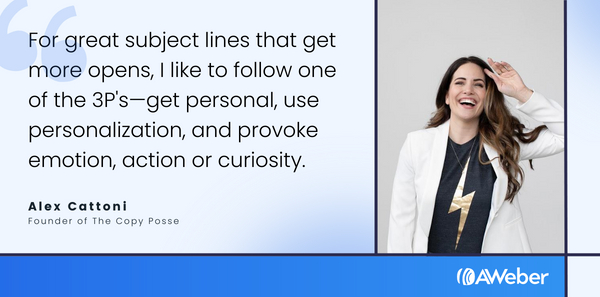
13. Provoke Emotion, Action, or Curiosity
Example: “Is this freakishly accurate for you, too?”
This subject line creates curiosity about what the sender is experiencing and whether the reader shares that experience. It taps into the desire for connection and validation.
When writing emotional subject lines:
- Decide what you want readers to feel
- Brainstorm questions or statements that provoke that feeling
- Test with someone else—ask how it made them feel
Emotion drives action. If your subject line creates genuine curiosity or connection, your open rates will reflect it.
14 – A/B Test Your Subject Lines
Subject lines are the first thing people see. If they’re not interesting or relevant, your emails don’t get opened.
Split testing reveals what actually works for your specific audience—not what works in general email marketing advice.
What to test:
Length: Short vs. long subject lines. Generally use the fewest characters possible, but sometimes longer context performs better.
Personalization: Does including subscriber names or personal information improve opens, or does it feel generic?
Emojis: Do emojis increase engagement or make your emails look unprofessional to your audience?
Wording: Test “% off” vs. “$ off” or psychological triggers like “secrets” vs. straightforward language.
Capitalization and punctuation: What looks professional and eye-catching without appearing spammy?
Your audience will tell you what works—if you test.
Stop Guessing, Start Generating
You know subject lines matter. You know they determine whether your content gets seen. But writing effective subject lines for every email takes time and mental energy you may not have.
AWeber’s Subject Line Assistant removes the guesswork by generating optimized variations based on your email content. Each suggestion follows proven best practices —mobile-optimized length, strategic emoji use, effective formatting—automatically.
The tool is included in all AWeber accounts.
The post 14 Email Subject Line Best Practices to Get More Opens appeared first on AWeber.
Source link

![Boomi vs. Zapier: Which is best? [2026]](https://images.ctfassets.net/lzny33ho1g45/3jxiLqiu9zqPzbGzKjmU5M/1456e6bbe6818f9c9021625a9e1fcef7/boomi-vs-zapier-hero.jpg "Boomi vs. Zapier: Which is best? [2026]")